Flood Proof, Drought Proof, and Tree Frog Haven — The South American Native Made for South Carolina Yards
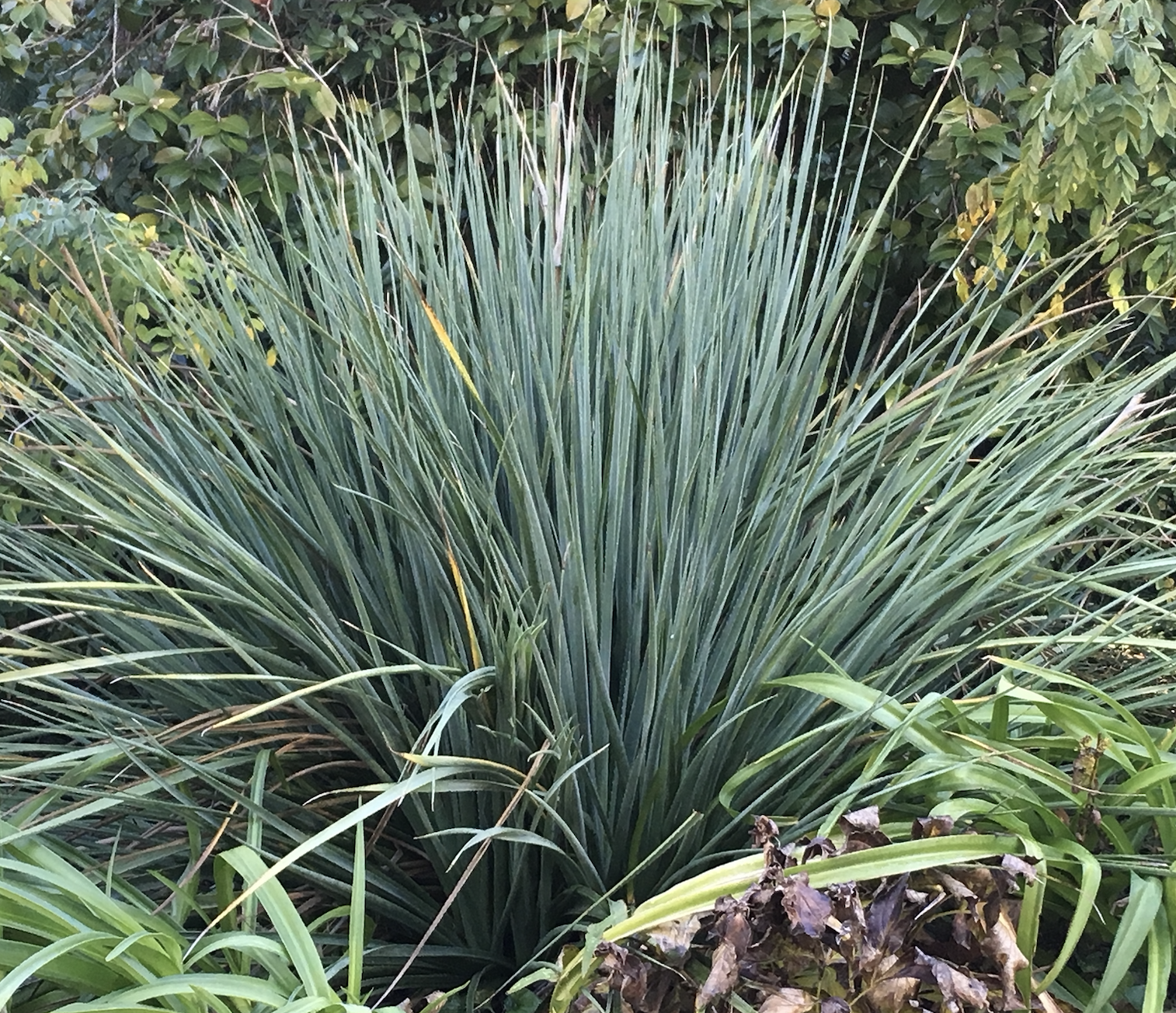
Though it looks like it would prick you, this rarely grown gem is soft. It fools us in lots of ways.
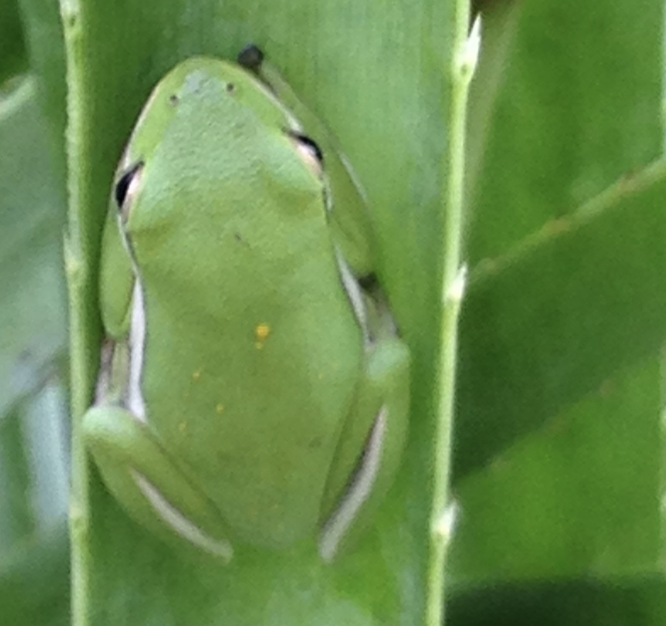
The spiny-looking leaves are actually an actor’s sword — they bend and curl when you push against them. They look dangerous, but they’re not. And that softness turns out to matter, because these leaves are a favorite resting spot for one of our most tender creatures: the sweet green tree frog.
Our thin-skinned friends cradle themselves in the slightly curled leaves, letting them wrap around their bodies like a blanket. Maybe that feels comforting — a bit of pressure, like one of those weighted blankets people love these days. Traditionally, in its South American home, the leaves are used to make cloth, so perhaps there’s something to that softness.
Maybe the frogs like the ride as the three-foot leaves bend and sway. Maybe the leaves’ ability to accumulate moisture from fog and mist keeps them refreshed. It’s a perfect spot — protected, cozy, and moist. And up here, they’re mid-air, perfectly positioned for catching flying insects.
In mid-summer, head-high flower scapes rise, topped with hundreds of little button-shaped mauve flowers. At night those flowers release a fragrance that attracts tiny flies, moths, and all manner of nocturnal insects. Maybe that’s why the frogs hunker down in the leaves by day — to climb the flower stalks at night and snack from the crowd drawn to the purple cloud above.
I love the form of those flowers. Pencil-thin stems strong as steel, branched a thousand times, holding an airy bouquet of purple that tempts picking — they look like they were born for a tall vase. But this is another deception. Cut them and bring them inside, and overnight, the flowers release a fragrance strong enough to make even a large room smell of wet dogs. Wet, dirty farm dogs. The plant lures you in, then clears the room.
Still, you grow it for the exclamation point. You grow it because it’s tough as nails — excellent in a dry sunny place, perfect for a container the hose doesn’t quite reach. I grow plants like this for contrast; the upright form and olive green look stunning against soft, fluffy pastel perennials. An underplanting of creeping phlox is a killer combination.
Now here’s where the fooling really gets interesting. It looks like something you’d see in Phoenix, but this is no desert plant. It’s a meadow plant — native to the open plains of Paraguay and the river deltas of Argentina, where it tolerates seasonal flooding. Here in the South it handles flooding, drought, and even saltwater. That makes it almost perfectly adapted to our crazy climate, where long dry spells and sudden floods take out lesser plants. It even tolerates saltwater flooding.
The common name doesn’t help you understand any of this. Giant Sea Holly. It isn’t especially giant, it has nothing to do with the sea, and it’s no holly. The Spanish name is better: False Thistle. But if I were in charge of these things, I’d call it Evergreen Tree Frog Grass — something that hints at the magic rather than the confusion.
Until I win that election, I’ll just remind myself that nature is full of things that fool us. And that being fooled can be as delightful as being wrapped up in a cozy blanket with plenty of moth-snacks nearby.
We have a few available for shipping now.